Hot weather in the UK can quickly make indoor spaces uncomfortable, especially in homes, offices, and commercial environments without proper cooling. Fast air conditioning installation offers a practical solution, helping restore comfort in a short amount of time without long waiting periods.
This guide covers everything you need to know, including system types, installation process, costs, preparation, and maintenance. It is designed to help you make informed decisions when planning a fast and professional air conditioning installation in the UK.
Why Fast Air Conditioning Installation Matters
Fast installation is essential during periods of high temperatures when waiting days for cooling is not practical. It allows both homeowners and businesses to regain a comfortable indoor environment quickly.
For commercial spaces, speed is especially important as delays can affect productivity, customer experience, and daily operations. A quick installation ensures minimal disruption while maintaining performance and safety.
Benefits of Rapid AC Installation
Rapid installation reduces downtime and helps restore normal conditions much sooner. For businesses, this means maintaining operations without unnecessary interruptions, while homeowners benefit from immediate relief during warm weather.
It also helps avoid extended installation work, making the process more convenient. With experienced installers, fast service can still deliver reliable and long-lasting results.
Understanding UK Heatwave Conditions
Rising temperatures and occasional heatwaves in the UK are increasing the demand for efficient cooling systems. Indoor heat can build up quickly, particularly in urban areas where ventilation may be limited.
These conditions can impact comfort, sleep quality, and work performance. A properly installed air conditioning system helps maintain a stable indoor temperature even during extreme weather.
Types of Air Conditioning Systems
Air conditioning systems vary based on property size, layout, and usage. The most common options include split systems, portable units, and ducted systems, each suited to different needs. In addition, wall-mounted air conditioning systems remain a popular choice for residential properties due to their simplicity and efficiency.
For properties requiring multiple indoor units, multi-split air conditioning systems offer flexible temperature control across several rooms using a single outdoor unit. In commercial or larger open spaces, ceiling cassette air conditioning systems provide even air distribution and a discreet installation within suspended ceilings.
Where wall or ceiling installation is not practical, floor-mounted air conditioning systems serve as an effective alternative, delivering reliable cooling at a lower level within the room.
Split systems are ideal for individual rooms, portable units work well for temporary use, and ducted systems provide whole-property cooling. Choosing the right type plays a key role in both performance and installation speed.
Choosing the Right AC Unit
Selecting the correct unit is important to ensure efficient cooling and long-term performance. Factors such as room size, insulation, ceiling height, and sun exposure all influence the system requirements.
A unit that is too small may struggle to cool effectively, while an oversized system can lead to energy waste. Professional guidance helps ensure the right balance between performance and efficiency.
Energy Efficiency and System Performance
Energy efficiency is a key consideration when installing a new air conditioning system. Modern units are designed to deliver consistent cooling while reducing electricity consumption.
Systems with higher efficiency ratings and inverter technology can adjust output based on demand. This results in more stable temperatures, quieter operation, and lower running costs over time.
The Fast Installation Process Explained
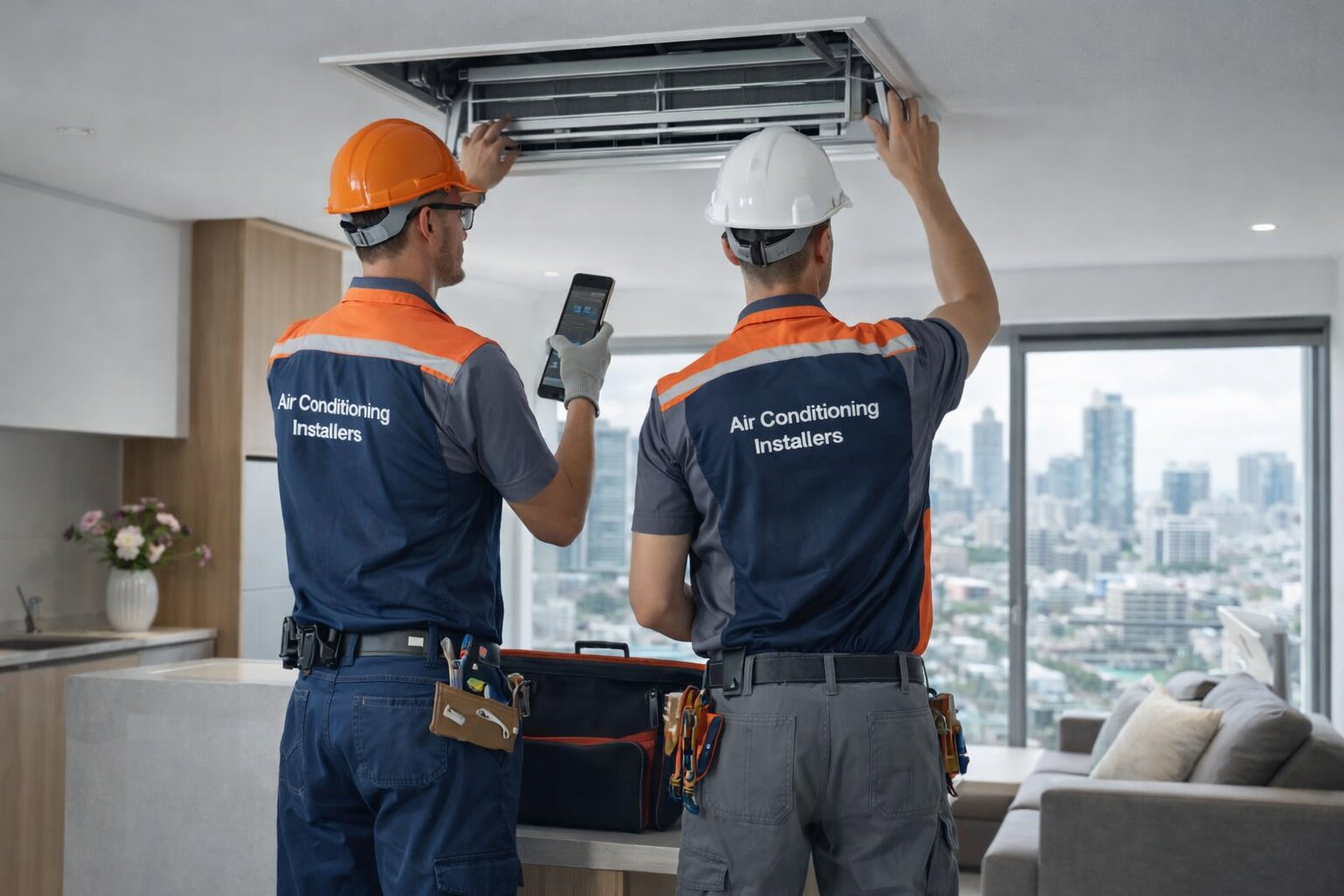
The installation process typically begins with a site survey, followed by unit placement, pipework connection, electrical setup, and final testing. For many residential systems, this can be completed within a few hours.
Professional installers follow strict safety and compliance standards throughout the process. Efficient planning and preparation help ensure the installation is completed quickly without compromising quality.
How to Choose a Reliable UK Installer
Choosing the right installer is essential for a successful outcome. A qualified professional should have proper certifications, experience, and a strong track record of completed installations.
Clear communication, detailed quotations, and aftercare support are also important factors. Working with a reliable installer ensures the system is fitted correctly and performs as expected.
Costs and Pricing Factors
The cost of air conditioning installation in the UK depends on several elements, including system type, unit size, brand, and installation complexity. Simple installations are generally more affordable, while larger or more complex systems require a higher budget.
Additional factors such as electrical work, access conditions, and installation urgency can also affect the final price. Understanding these variables helps with better financial planning.
Budgeting Tips for Installation
Planning your budget in advance can help you avoid unexpected costs and choose the most suitable system. Comparing multiple quotes provides a clearer view of pricing and service quality.
Consider both upfront costs and long-term expenses such as energy usage and maintenance. A slightly higher initial investment may offer better efficiency and savings over time.
Preparing Your Property for Installation
Proper preparation can significantly speed up the installation process and prevent delays. Ensuring clear access to installation areas and confirming power availability helps installers work more efficiently.
Here are a few key preparation steps:
- Clear space where the indoor and outdoor units will be installed
- Ensure easy access for technicians and equipment
- Confirm electrical readiness for the system
- Check any property restrictions or permissions if required
Taking these steps in advance allows the installation to be completed smoothly and on schedule.
Maintenance and Aftercare
Regular maintenance is essential to keep your air conditioning system running efficiently. Cleaning filters, checking airflow, and scheduling professional servicing help maintain performance over time.
Consistent aftercare also reduces the risk of breakdowns and supports long-term reliability. Keeping records of servicing and warranty details ensures you are fully covered if any issues arise. For ongoing support and expert servicing, it is always best to work with trusted air conditioning installers who understand your system and can provide reliable long-term care.