A poorly installed air conditioning system can lead to higher energy bills, frequent breakdowns, and uncomfortable indoor temperatures. While DIY installation may seem like a cost-saving option, it often comes with risks that can outweigh the initial savings.
Air conditioning installation requires precision, proper tools, and compliance with safety standards. Understanding the difference between DIY and professional installation helps you make a smarter long-term decision.
DIY Air Conditioning Installation
DIY installation is best suited for simple systems like window or portable air conditioners. These units typically require minimal setup and do not involve complex components such as refrigerant lines or advanced electrical work.
However, installing more advanced systems such as ductless mini-splits or central air conditioning can be challenging without proper training. This becomes even more critical when dealing with wall-mounted air conditioning systems or floor-mounted air conditioning systems, where correct placement and secure mounting directly affect performance and airflow.
Professional AC Installation Services
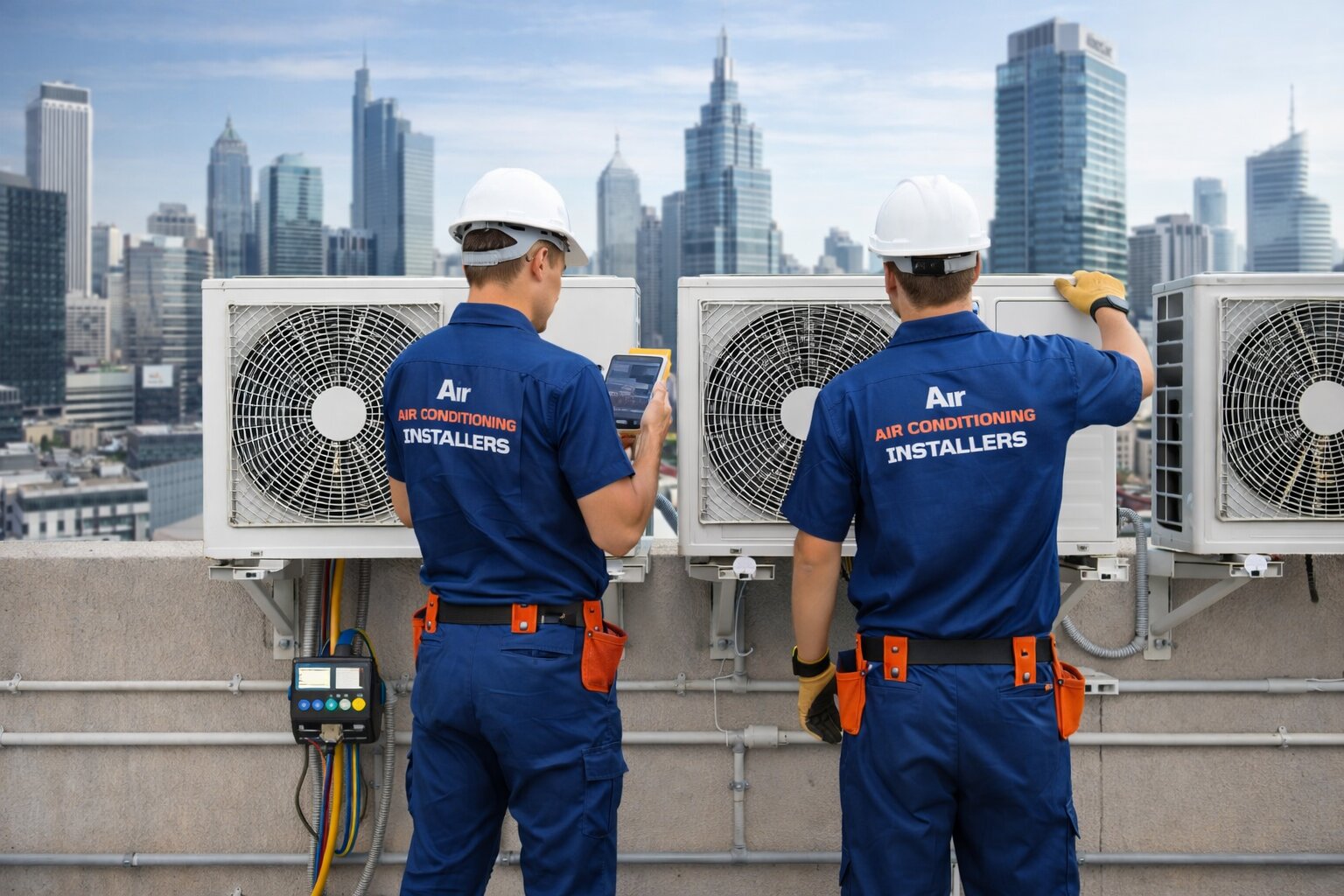
Professional installers bring experience, certification, and the right equipment to complete the job efficiently and safely. They ensure that the system is properly sized, installed according to regulations, and tested for optimal performance.
This expertise is especially important for more complex setups like multi-split air conditioning systems, which require precise connections between multiple indoor units and a single outdoor unit. Similarly, ceiling cassette air conditioning systems demand accurate ceiling integration and airflow calibration to function effectively.
Hiring a professional also protects your investment, as most manufacturers require certified installation to maintain warranty coverage. This reduces the likelihood of costly repairs and improves long-term reliability.
Cost Comparison: DIY vs Professional
DIY installation can reduce upfront costs since there is no labor fee involved. However, it often requires purchasing tools and materials, which can add up quickly. More importantly, mistakes during installation can lead to expensive repairs or reduced system efficiency.
Professional installation involves higher initial costs, but it provides better value over time. A correctly installed system operates more efficiently, lasts longer, and requires fewer repairs, making it a more cost-effective option in the long run.
Key Risks and Considerations
When deciding between DIY and professional installation, it is important to consider the potential risks involved:
Incorrect installation can reduce efficiency and increase energy bills
Improper handling of refrigerants can pose health and environmental risks
Faulty electrical connections may lead to safety hazards
Non-compliance with local regulations can result in fines
DIY installation may void manufacturer warranties
Installation Time and Project Complexity
The time required for air conditioning installation depends on the type of system and the level of expertise. Simple units can be installed in a few hours, while more complex systems may take a full day or longer.
DIY projects often take more time due to trial and error, especially for those without prior experience. Professional installers complete the process more efficiently, reducing disruption and ensuring everything is set up correctly the first time.
Long-Term Efficiency and System Performance
Proper installation plays a major role in how efficiently an air conditioning system operates. Even high-quality units can underperform if installed incorrectly, leading to higher energy consumption and uneven cooling.
Professional installation ensures optimal airflow, correct sizing, and proper calibration. This results in better performance, lower energy bills, and a longer lifespan for the system.
When to Choose DIY vs Professional
DIY installation can be a practical choice for simple air conditioning units that do not require technical expertise. If the setup is straightforward and does not involve refrigerants or complex wiring, it can be completed safely with basic knowledge.
For more advanced systems, professional installation is strongly recommended. Working with trusted air conditioning installers ensures the system is installed safely, complies with regulations, and performs efficiently over time, making it the smarter long-term investment for your home.