A newly installed air conditioning system can still waste energy without the right habits. Simple adjustments such as proper thermostat settings, routine maintenance, and airflow improvements help reduce energy consumption, lower electricity bills, and extend system lifespan.
Proper Thermostat Settings
Setting your thermostat correctly is one of the most effective ways to improve efficiency. A temperature of around 25–26°C when at home and slightly higher when away helps balance comfort and energy use.
Avoid constantly adjusting the thermostat, as this forces the system to work harder. Keeping indoor humidity at a moderate level also supports better performance and reduces unnecessary cooling cycles.
Use a Programmable or Smart Thermostat
A programmable thermostat allows automatic temperature adjustments based on your daily routine. This reduces unnecessary cooling when no one is home while maintaining comfort when needed.
Smart thermostats go further by learning usage patterns and adjusting settings automatically, helping improve efficiency without constant manual changes.
Regular Maintenance Matters
Routine maintenance ensures your system runs efficiently and avoids unnecessary energy waste. Over time, dust and debris can restrict airflow, forcing the unit to work harder than needed.
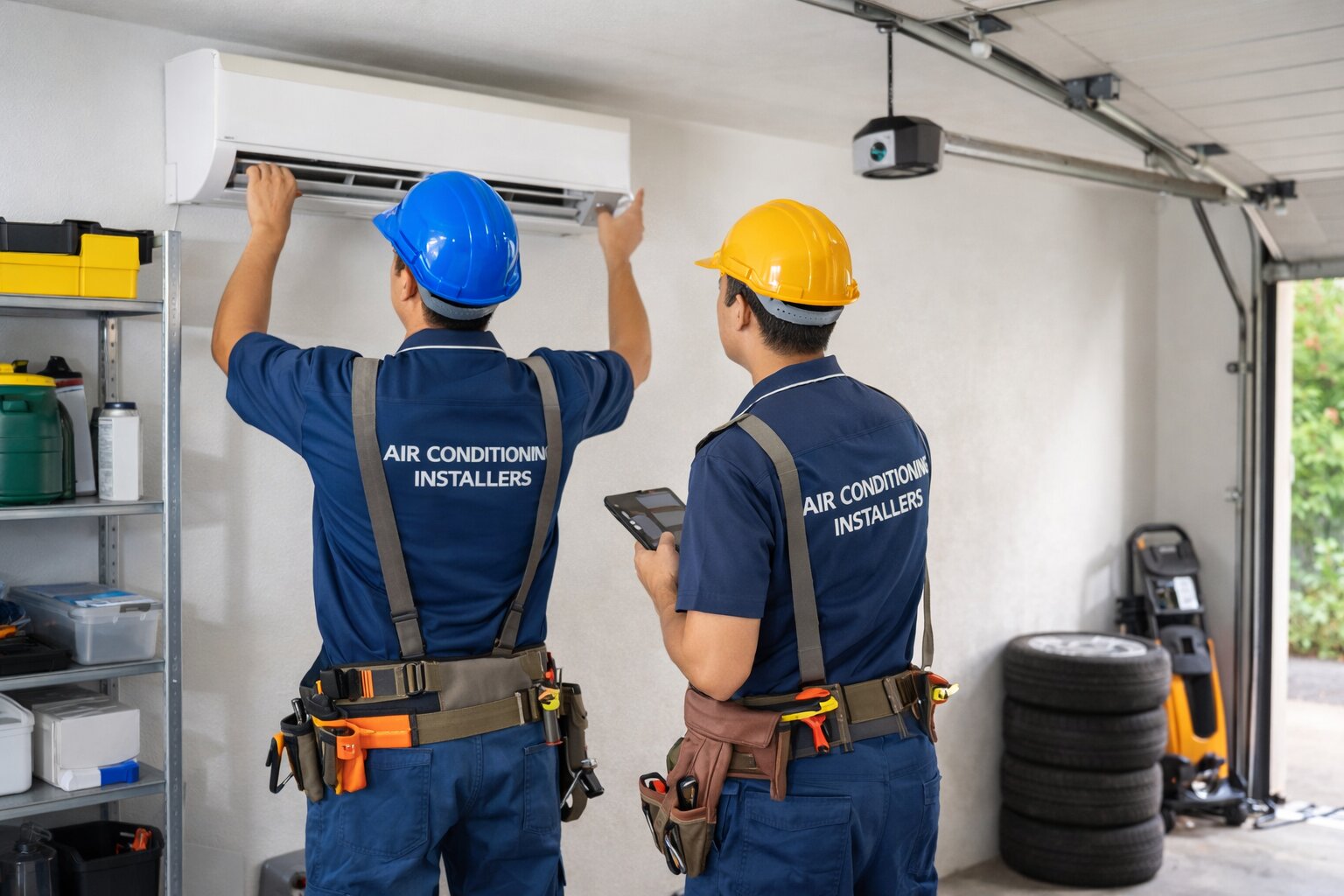
Scheduling professional servicing at least once a year helps maintain optimal performance and prevents potential issues that may increase energy consumption. This applies to all setups, including wall-mounted air conditioning systems and more complex configurations.
Air Filter and Coil Care
Clean filters and coils are essential for maintaining airflow and cooling efficiency. When these components become dirty, the system requires more energy to achieve the same level of cooling.
Replacing filters regularly and ensuring coils remain clean helps improve airflow, reduce strain on the system, and maintain consistent indoor temperatures, especially in multi-split air conditioning systems where multiple indoor units rely on proper airflow.
Seal Air Leaks
Air leaks around doors, windows, and small gaps can let cooled air escape, reducing efficiency. Sealing these areas helps maintain indoor temperature and reduces the workload on your AC system.
Even minor leaks can have a noticeable impact over time, making this a simple but effective improvement, particularly in larger setups like ceiling cassette air conditioning systems used in open spaces.
Improve Airflow
Proper airflow allows your AC system to distribute cool air evenly throughout your space. Blocked vents or poor air circulation can create uneven temperatures and force the system to run longer.
Keeping vents unobstructed and ensuring air can move freely improves both comfort and efficiency. This is especially important for floor-mounted air conditioning systems, where airflow direction plays a key role in performance.
Smart Cooling Habits
Adopting simple daily habits can significantly improve energy efficiency:
- Use ceiling fans to support cooling and reduce AC workload
- Close blinds or curtains during the hottest parts of the day
- Pre-cool your space before peak heat hours
- Avoid running heat-generating appliances during hot periods
- Adjust temperature settings slightly higher when possible
These small changes reduce strain on your system and help maintain consistent indoor comfort.
Manage Peak Energy Usage
Energy demand is often higher during late afternoon and evening hours. Running your AC during these times can increase costs and energy consumption.
Cooling your home earlier in the day and slightly increasing the temperature during peak hours can help reduce overall usage without sacrificing comfort.
Improve Insulation and Sealing
Good insulation helps retain cool air inside your home. Without proper insulation, your AC system needs to work harder to maintain the desired temperature.
Improving insulation in areas like the attic and sealing ductwork can significantly enhance overall efficiency.
Consider Efficiency Upgrades
Upgrading certain components can further improve performance and reduce energy usage. Options such as smart thermostats, improved duct sealing, and high-efficiency filters support long-term savings and better system operation.
These enhancements complement your AC installation and help maintain consistent performance over time. For best results, it’s recommended to consult professional air conditioning installers who can assess your system and ensure every upgrade is properly integrated for maximum efficiency.